
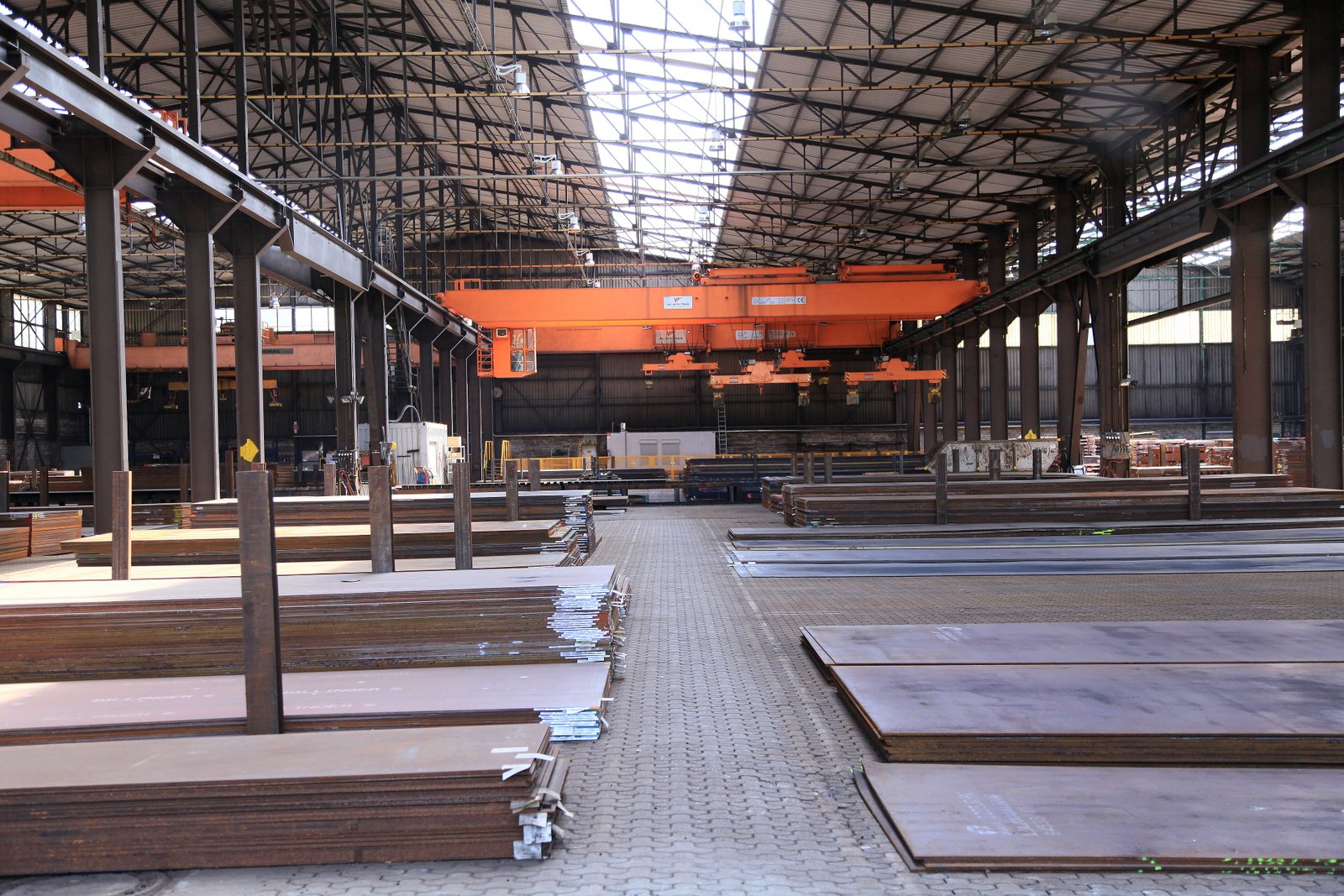
IRS M41-97 Steel for Railway Rolling Stock
IRS:M-41-97 is the official designation commonly written as IRSM 41-97 or IRS M41-97 in steel enquiries. It specifies corrosion-resistant structural steel for rolling stock, including flat material for formed and welded components.
The technical values below refer to the June 1997 specification. The required issue and amendments are established for the order, along with the grade, rolling condition and component requirements.
IRSM 41-97 Steel Supplier, Exporter and Stockist
ASC supports IRSM 41-97 purchases for new fabrication, replacement components and repair-material schedules. A supply package can combine sheets for formed parts, plates for specified structural components and coils for buyers carrying out their own downstream processing.
Our international service welcomes enquiries from the USA, UK and Europe, including Germany and the Netherlands, as well as other export destinations. Fast delivery is a focus, with the schedule confirmed against the requested material, quantity, availability and destination.
Suitable flat products can be packed in bundles or wooden boxes. Coil protection and securing arrangements are agreed for the product and transport requirements, together with any project-specific marking and handling instructions.
Discuss IRSM 41-97 Plates, Sheets and Coils SupplyIRSM 41-97 Grade I and Grade II
Grade I is intended for structural use requiring weldability and the forming of simple cold-pressed parts. Grade II addresses general engineering use with mechanical-property and weldability requirements. The component design determines which grade is appropriate.
The grade and rolling condition are separate choices. Grade I does not mean hot-rolled, and Grade II does not mean cold-rolled; both the specified grade and material condition need to match the fabrication requirement.
IRSM 41-97 Plate, Sheet and Coil Sizes
The June 1997 flat-product scope defines sheet below 5 mm thick and plate from 5 to 12.5 mm thick, with flat and coil forms covered. These are specification boundaries rather than a current stock range. ASC confirms the offered thickness, width and length or coil dimensions for the requested material.
Flat sheets are suited to panel layouts and forming blanks, while plates serve the thicker components identified in the drawing. Coils support continuous downstream cutting or forming where the buyer has the appropriate handling and processing equipment.
Surface condition, flatness and dimensional tolerances affect how the steel enters fabrication. For cut lengths, the required dimensions should suit the component layout; for coils, the offered dimensions and handling requirements are agreed with the buyer.
IRSM 41-97 Chemical Composition
Copper, chromium, nickel and phosphorus are part of the alloy system specified for this corrosion-resistant steel. The table gives selected ladle-analysis limits, rather than the measured analysis of an individual supplied heat.
| Element | Limit |
|---|---|
| Carbon, C | ≤ 0.10 |
| Manganese, Mn | 0.25–0.45 |
| Silicon, Si | 0.28–0.72 |
| Nickel, Ni | 0.20–0.47 |
| Copper, Cu | 0.30–0.60 |
| Chromium, Cr | 0.35–0.60 |
| Sulfur, S | ≤ 0.03 |
| Phosphorus, P | 0.075–0.140 |
Selected principal elements only; incidental-element provisions and product-analysis tolerances are outside this table. The contracted specification and material records govern acceptance.
Hot-Rolled and Cold-Rolled IRSM 41-97 Properties
The hot-rolled and cold-rolled conditions have different minimum strength requirements. Keeping the condition attached to each value allows the material specification to be matched to the intended component and fabrication process.
| Material condition | Yield strength, minimum MPa | Tensile strength, minimum MPa |
|---|---|---|
| Hot-rolled | 340 | 480 |
| Cold-rolled | 300 | 440 |
These references apply within the cited product scope to specimens in the finished condition. Plate and sheet specimens are taken lengthwise and crosswise relative to rolling direction.
The 1997 document refers plate testing to IS 1608 and sheet testing to IS 1663. The rows are selected strength requirements, not a complete test or acceptance schedule.
Hot-Rolled Elongation
For hot-rolled material, the June 1997 reference gives 22% minimum elongation at a proportional gauge length of 5.65√A, where A is the original specimen cross-sectional area. The value applies to that rolling condition and gauge basis.
Flat Steel for Rolling-Stock Components and Repair
Rolling-stock fabricators work with formed panels, welded assemblies and structural parts whose material requirements are defined by the component drawing. IRSM 41-97 provides corrosion-resistant flat steel where that specification is called for in new construction or repair.
Grade I’s simple cold-pressing purpose is relevant to formed structural parts. Plate and sheet can also enter welded fabrication, while coil can feed the buyer’s cutting and forming operations. The appropriate grade, thickness and condition depend on the actual part rather than a general coach or wagon description.
Steel distributors and project buyers can source these flat-product forms through ASC for onward fabrication. The supply is raw steel material; any component approval or railway-project acceptance remains specific to the project.
Forming, Welding and Corrosion Protection
Welding and forming procedures should suit the selected grade, thickness and rolling condition. Surface condition is also important where steel will be pressed, welded or coated. These requirements connect the material selection to the fabricator’s process.
Improved corrosion resistance supports the material’s rolling-stock application, but the specified coating system, drainage and maintenance remain important. Water traps, deposits and chloride exposure can affect performance. Bare-weathering architectural practice does not replace railway protection requirements.
Material Records, Inspection and Handling
ASC can discuss the required material test records, heat identification and inspection requirements with the supply offer. The project’s specification issue and amendments form part of that discussion, along with any required marking, surface protection and packing.
Traceability connects the supplied steel to its material records through delivery and fabrication. Marking, surface protection, packing and cut-length flatness follow the applicable specification amendments and order requirements. Project-specific railway inspection or approval requirements are assessed separately from the material designation.
IRSM 41-97 Plates, Sheets and Coils FAQs
What is IRSM 41-97 steel?
IRSM 41-97 is a common commercial spelling of IRS:M-41-97, the specification for corrosion-resistant structural steel used in rolling stock. ASC supplies plates, sheets and coils against the required material issue, grade and condition.
How do Grade I and Grade II differ?
The June 1997 specification describes Grade I for structural use, weldability and simple cold-pressed parts. Grade II is for general engineering use with mechanical-property and weldability requirements. The grade is separate from hot-rolled or cold-rolled condition.
What thicknesses fall within the cited IRSM 41-97 scope?
The June 1997 scope covers sheets below 5 mm and plates from 5 to 12.5 mm, in flat or coil form. These figures describe specification scope; the dimensions available for a particular order are confirmed in ASC’s offer.
Can ASC supply IRSM 41-97 in coils?
Yes. Coil is part of ASC’s IRSM 41-97 flat-product offering. The quoted coil dimensions, rolling condition and packing are matched to the buyer’s requirement and handling arrangements.
Are hot-rolled and cold-rolled mechanical properties identical?
No. The June 1997 reference gives hot-rolled minima of 340 MPa yield strength and 480 MPa tensile strength, compared with 300 MPa and 440 MPa respectively for cold-rolled material. The specified condition and applicable testing requirements remain attached to those values.
Can IRSM 41-97 replace A606 or S355J2W automatically?
No. These designations follow different specifications, product scopes and test requirements. A proposed alternative needs technical acceptance against the complete component and material specification; a similar weathering description alone is insufficient.
Does corrosion resistance remove the need for railway coatings?
No. The project’s corrosion-protection system and maintenance requirements still apply. Material selection, coating, drainage and joint detailing work together; corrosion-resistant steel is not permission to omit the specified protection.
What export packing and documentation can be discussed with ASC?
ASC can discuss material records, heat identification, required inspection and packing for the order. Suitable flat material can use bundles or wooden boxes, while coil packing is agreed separately. Delivery timing depends on the required form, dimensions, quantity, availability and destination.