
What is Corten Steel? Why is it Popular?
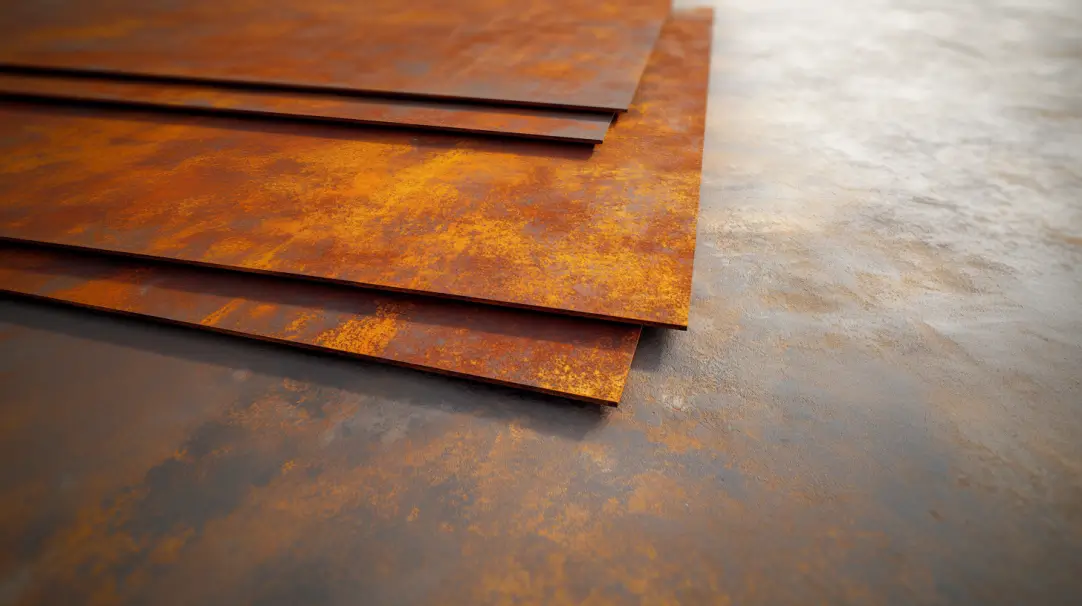
In the world of materials, few evoke such a distinctive image as Corten steel. With its signature rusty, weathered appearance, it stands out from the sleek shine of conventional steel. But what is Corten steel, and why has this seemingly “rusted” material garnered such enduring popularity among architects, artists, and industrial designers alike? Let’s delve into the fascinating world of this unique alloy.
What is Corten Steel?
Weathered steel, also known as corten steel, is an alloy of steel commonly used outdoors. Corten steel was designed to eliminate the need to paint. If left outside in the elements, it will develop a rusty appearance within just a few months. Coal wagon manufacturers in America in the 1930’s noticed certain steel alloys developed a layer of rust that instead of corroding the steel, protected it. With the brand name Corten – an abbreviation for corrosion resistance, tensile strength – these alloys soon gained popularity among architects (possibly the best example being the John Deere World Headquarters in Illinois, designed by Eero Saarinen) which persists to this day.
Alloys continued to be developed to increase their strength and durability. In time, the name lost its hyphen and became a generic term. A corten steel wall is also known as weathering steel or weathered steel. CORTEN is a trademark owned by U.S. Steel. CORTEN refers to two of this type of steel’s distinguishing properties: corrosion resistance and tensile strength. USS sold its discrete plate business to International Steel Group (now ArcelorMittal) in 2003, but it still sells CORTEN branded material in strip-mill plates and sheets.The original CORTEN received the standard designation A242 (CORTEN A) from the ASTM International standards group. Newer ASTM grades are A588 (COR-TEN B) and A606 for thin sheet and strip products.
Why is Corten Steel Popular?
Corten is popular with architects and sculptors because of the exterior layer of rust that forms on its surface when conditions are right. The mute-reddish brown colour of CorTen makes it stand out like the red rock faces of Utah, Texas, and South America. These naturalistic steel patinas look stunning on large, imposing surfaces.
Using this steel, certain design styles are possible because conjoined joints will fuse together as a result of surface rust. Because of this, steel is popular with sculptors, who can use it to create new shapes. However, even ordinary structures can benefit from the fusing quality of CorTen. If you were to build a steel structure from this material, it would become one solid piece within a year or two, ceiling to floor, making it extremely rigid and durable.
We explored some of the most famous Corten Steel Structures Around the World. As there are so many creative examples of how the alloy has been used in architectural projects the world over, we decided to put the spotlight on a few more eye-catching Corten steel projects.
- John Deere World Headquarters
- Barclays Centre Sports Arena
- Leeds Broadcasting Tower
- PedX Bridge Boston
- Corten Steel Products from Masteel
What is Corten Steel Made Of?
You may be wondering what produces the magic of Corten and what it is made of. Corten is primarily made up of iron and some amount of carbon (as are most steels). However, it is the other alloying elements that make Corten different, such as chromium, nickel, copper, and phosphorus – together these make Corten steel’s fantastic self-protecting features.
The other feature of this composition to consider, and the evidence of its durability, is the outer layer healing, or repairing-in a way when scratched, or damaged. This contributes significantly to its longevity and the enduring appeal of Corten steel products.
Is Corten Steel Weldable?
We receive regular inquiries about the process of welding Corten steel. The answer is that it is a relatively easy process and works almost the same way you weld other low-carbon steels like mild steel. However, depending on the use and finish of the weld, you may need a special filler material to ensure that the weld weathers desired with the parent material. This means that with proper equipment and knowledge, Corten steel can be welded and formed according to diverse and unique applications, and thus create truly bespoke products.
Is Corten Steel Expensive?
At first glance, especially when comparing Corten steel vs mild steel, it may appear that Corten has a higher initial cost. However, at Corten Steel Tube, we like to take a step back and look at the overall picture. Corten is cost effective in the long run. Due to its incredible durability and minimal maintenance (no painting or reseals every couple of years!), your investment in the Corten steel products pays itself off over a prolonged period of time.
In addition, when you consider the costs associated with the protective measures taken with other sheet metals (e.g., painting, galvanizing, etc.), the initial price difference begins to narrow, which supports the overall cost-effectiveness of Corten steel.
How Does Corten Steel Weather?
One of the most interesting features of Corten steel is its ability to weather naturally. The weathering process usually takes about 6-9 months, however, it will depend on the conditions and exposure.
Corten starts by taking on a bright orange patina. Over time, combining exposure to the elements, it eventually begins to develop a deep, dark brown color. This is what gives Corten steel the appearance of warmth and rustic texture. The most critical aspect to remember is that Corten steel requires an alternating wet and dry weathering cycle to develop the protective patina properly.
Step-by-Step Corten Steel Weathering Guide:
It can be fascinating to see how your Corten steel piece transitions over time. Here is a description of the process to anticipate:
- Step 1 – Newly Manufactured Corten Steel: At this stage, there might be a dark, sometimes oily, film/coat on the Corten Steel. The film/coat is due to the manufacturing processes.
- Step 2 – Weathering Process Begins: The dark surface film/coat will begin to disintegrate; this signifies the start of the natural weathering of Corten Steel.
- Steps 3 & 4 – Run-Off Phase: This weathering phase is active and the full run-off can take between 3 to 9 months…Records of weather, and the geographical location of your piece will influence this time frame. Be aware that during this phase some orange-colored run-off may happen, so choose your placement accordingly to prevent staining a porous surface.
- Steps 5 & 6 – Maturing Patina: During these final two phases of weathering, Corten Steel will still have an occasional ‘run-off’ but it will not be significant. The patina on the Corten Steel will be maturing, shifting toward a stable, consistent, and eye-catching appearance.
How is Corten Steel Made?
A significant point to bear in mind, relevant to how Corten Steel Tube sources and designs its products, is that Corten steel is primarily produced in sheet or plate form. This differs from some other types of steel, like mild steel, which are readily available in various structural section forms (e.g., beams, angles). The specific production process lends Corten steel its unique position in the market and influences its application in creating the beautiful, durable items we offer.
Where is Corten Steel Used? Versatility with Corten Steel Tube
Corten steel’s unique characteristics have made it popular in a variety of industries including architecture, construction and, now, landscape design.
You have probably seen it in large public projects like bridges or famous sculptures (such as the Angel of the North). That said, Corten steel can be used in many more ways – it is increasingly being used to create beautiful outdoor garden products. Think Corten Steel Tube’s range of Corten steel planters, captivating artwork, sleek garden edging, tranquil water features, and robust street furniture – all adding a natural, rustic, yet sophisticated aesthetic to any outdoor space.
Looking to Add Corten Steel to Your Outdoor Area with Corten Steel Tube?
Corten steel truly stands out from the crowd thanks to its unique characteristics and a vast array of benefits. Its superior corrosion resistance, robust tensile strength, and impressive cost-effectiveness over the long haul make it a highly desirable material for a wide spectrum of projects.
Whether you’re an architect planning a landmark, a landscaper designing a serene garden, or a homeowner looking for that perfect statement piece, Corten Steel Tube believes Corten Steel brings an unbeatable blend of durability, aesthetic appeal, and practicality to the table.
Conclusion
Corten steel is much more than simply “rusty” metal and is a sophisticated alloy optimized for long life and to develop a unique evolving appearance. The self-protecting quality, combined with its inherent strength and form adds clarity to the longevity of the products made from Corten steel in a range of applications and design fields.
From creating iconic architectural landmarks to enhancing functionality and artistic interest to outdoor spaces using Corten Steel products, Corten steel continues to captivate. Understanding what Corten steel is reveals a material that seamlessly blends robust functionality with a timeless, ever-changing charm.
We encourage you to view our large range of Corten steel products and imagine where your next project may use this unique material. Do not hesitate to reach out to our friendly Corten Steel Tube teams for any questions or any further information required.
